Material
How Malaysia's Weather Affects Exterior Building Materials
Nov 13 2026
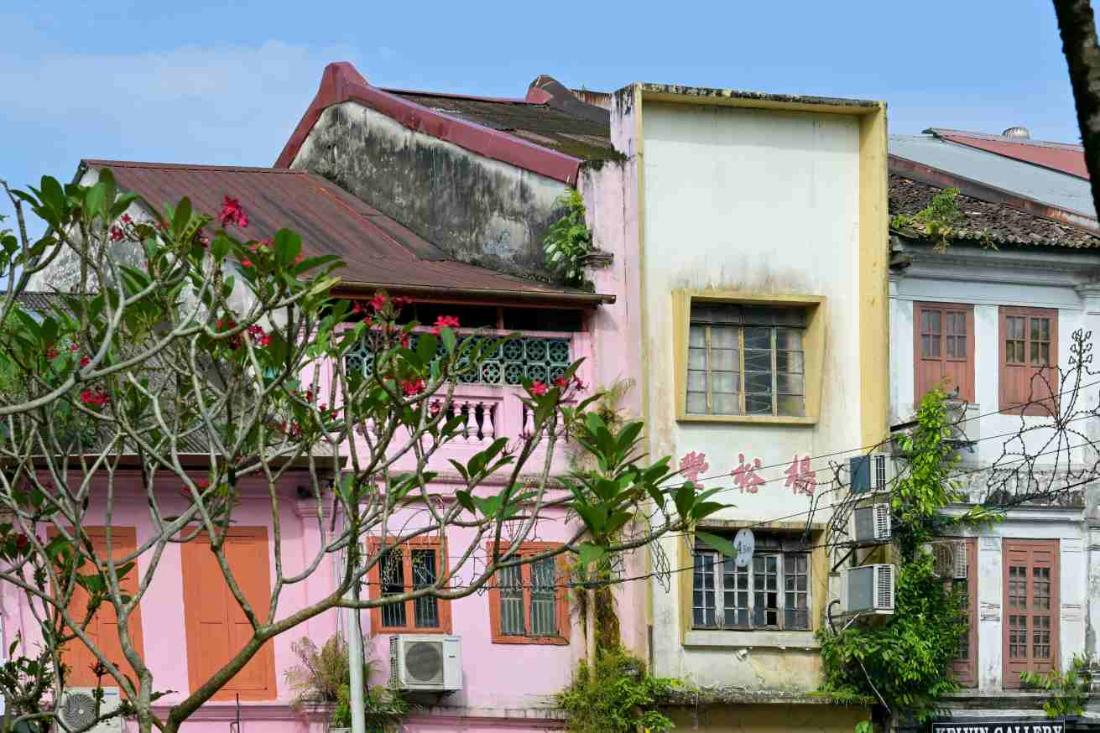
Malaysia's relentless heat, humidity, and rainfall put exterior building materials under constant stress — the right choice protects your structure for decades.
Understanding Malaysia's Tropical Climate and Building ChallengesMalaysia sits just a few degrees north of the equator, which means the country experiences a tropical rainforest climate throughout the year. Temperatures hover consistently between 25°C and 35°C, relative humidity rarely drops below 70%, and the country receives an average annual rainfall of around 2,500mm. Unlike temperate countries where seasonal changes give materials a period of rest, buildings in Malaysia face continuous exposure without any real dry spell.
Understanding Malaysia's Tropical Climate and Building ChallengesMalaysia sits just a few degrees north of the equator, which means the country experiences a tropical rainforest climate throughout the year. Temperatures hover consistently between 25°C and 35°C, relative humidity rarely drops below 70%, and the country receives an average annual rainfall of around 2,500mm. Unlike temperate countries where seasonal changes give materials a period of rest, buildings in Malaysia face continuous exposure without any real dry spell.
This persistent climate creates a unique set of challenges for exterior building materials. The combination of high moisture, heat, and biological growth — mould, algae, and moss — means that materials which perform well in Europe or Australia may deteriorate quickly here. Understanding how Malaysia's weather affects exterior building materials is not just useful knowledge; it is essential for anyone planning a construction project, renovation, or long-term property maintenance.
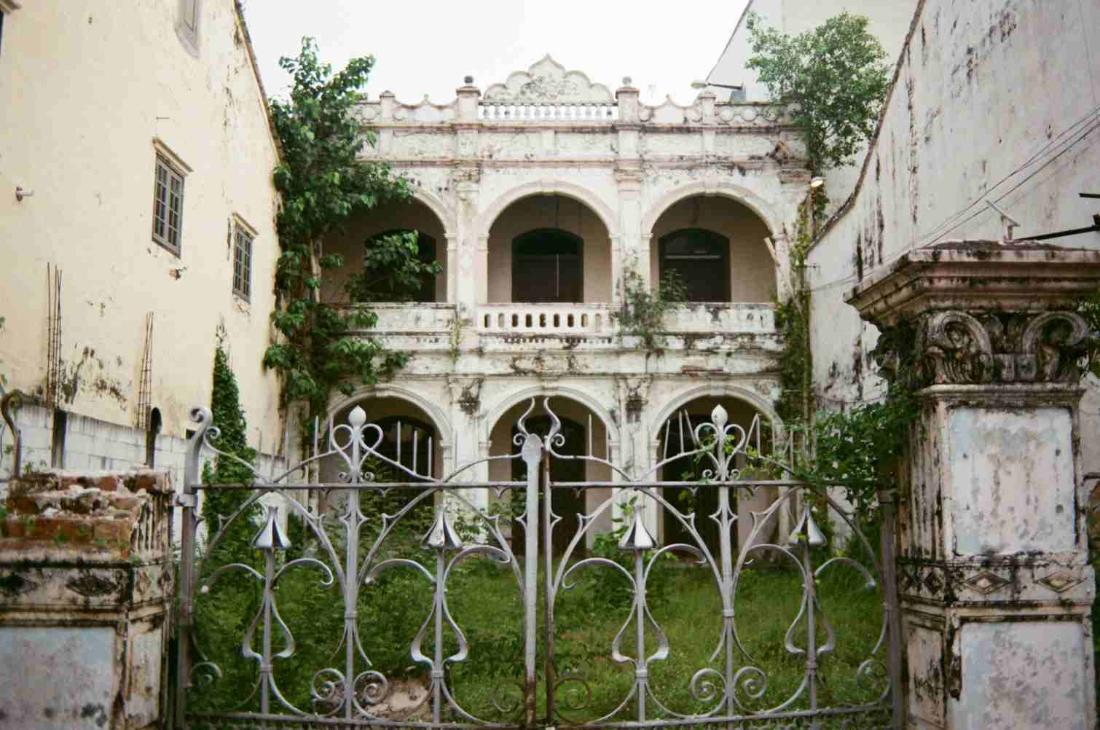
How Humidity and Rainfall Degrade Exterior Building Materials in MalaysiaHumidity is arguably the single biggest threat to exterior surfaces in Malaysia. When moisture penetrates porous materials like untreated timber, concrete, or standard brick, it creates the perfect environment for mould, mildew, and structural decay. Over time, this moisture cycling — absorption during rain, partial drying under sun, then absorption again — causes cracking, spalling, and surface degradation.
Timber and Wood-Based MaterialsNatural timber is widely used in Malaysian construction for its aesthetic appeal, but it demands serious weather protection. Without proper sealing or treatment, wood absorbs moisture rapidly in this climate, leading to warping, rot, and fungal growth within months rather than years. Hardwoods native to the region such as Chengal and Merbau fare considerably better than imported softwoods because they have denser grain structures that resist moisture uptake. If you are using timber as an exterior cladding or structural element, water-based stains or penetrating oil finishes designed for tropical climates provide far better longevity than standard paint.
Concrete and Cement RenderConcrete is the backbone of Malaysian construction, but even this robust material is not immune to the country’s weather. Carbonation, where carbon dioxide from the air reacts with moisture inside the concrete to weaken its alkalinity, progresses faster in humid climates. This can lead to corrosion of the steel reinforcement inside, eventually causing cracks and structural issues. Proper concrete mix ratios, adequate cover for rebar, and weather-resistant external coatings go a long way toward protecting concrete surfaces from Malaysia’s constant rainfall.
Concrete and Cement RenderConcrete is the backbone of Malaysian construction, but even this robust material is not immune to the country’s weather. Carbonation, where carbon dioxide from the air reacts with moisture inside the concrete to weaken its alkalinity, progresses faster in humid climates. This can lead to corrosion of the steel reinforcement inside, eventually causing cracks and structural issues. Proper concrete mix ratios, adequate cover for rebar, and weather-resistant external coatings go a long way toward protecting concrete surfaces from Malaysia’s constant rainfall.
UV Exposure and Heat — Silent Threats to Exterior Surfaces
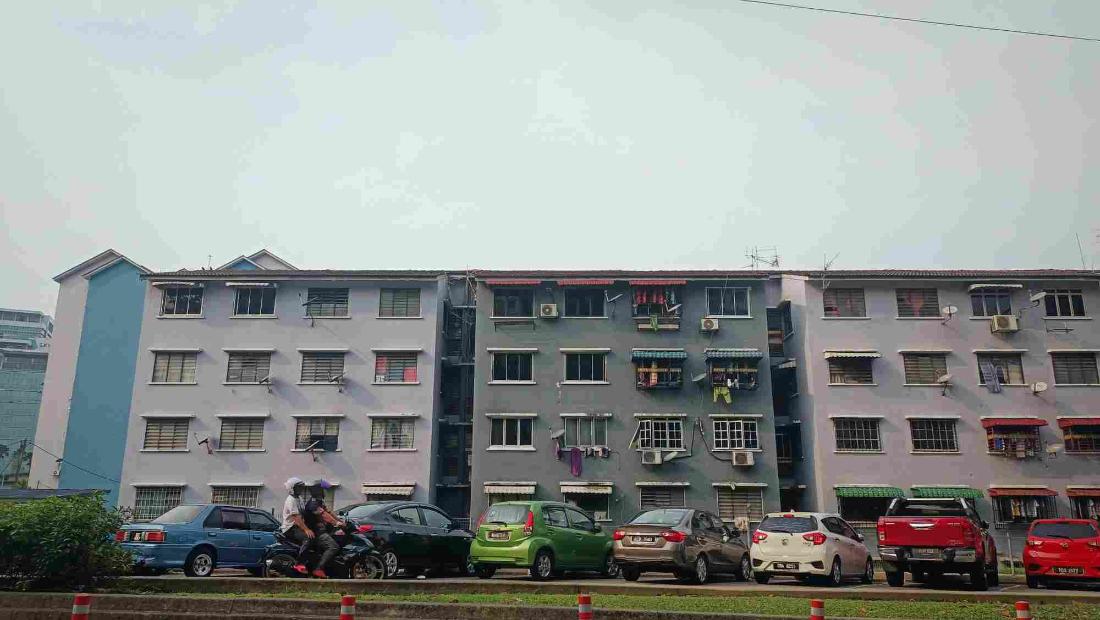
While rainfall grabs most of the attention, UV radiation and heat work just as destructively on exterior materials in Malaysia. The country’s proximity to the equator means intense solar radiation hits surfaces at a steep angle for most of the day, every day. This continuous UV bombardment breaks down polymer chains in paints, sealants, and plastics far faster than in cooler regions.
Paints and Coatings
Standard exterior paints that perform well in countries with milder climates often chalk, peel, and fade within two to three years when applied in Malaysia. The UV index in Kuala Lumpur and other Malaysian cities regularly exceeds 10, which is classified as extreme. Paints formulated with UV stabilisers and high-quality acrylic or elastomeric resins are worth the premium because they stretch and contract with the surface as temperatures fluctuate throughout the day, preventing the micro-cracking that lets moisture in.
Metal Surfaces
Metal roofing, cladding, and structural components face a dual assault from heat and humidity. Heat causes thermal expansion and contraction, which loosens fixings over time and stresses joints. Galvanised steel, while effective in drier climates, can develop rust spots in Malaysia within a few years once the zinc coating thins through UV and heat exposure. Aluminium and stainless steel perform significantly better in this environment, as does powder-coated steel where the coating remains intact.
Best Exterior Building Materials for Malaysia's Weather Conditions
Choosing the right exterior building materials for Malaysia’s weather conditions means prioritising moisture resistance, UV stability, and biological resistance all at once. Fortunately, the construction market in Malaysia has evolved significantly, and there are now strong options across different budget ranges.
Fibre cement cladding has become increasingly popular in Malaysia because it resists moisture, does not rot, and holds paint well over time. It mimics the look of timber without the maintenance burden, making it a practical choice for residential and commercial facades alike. Similarly, aluminium composite panels (ACP) offer excellent weather resistance for commercial buildings, with factory-applied coatings that withstand UV and moisture far better than site-painted alternatives.
For flooring and outdoor surfaces, porcelain and unglazed ceramic tiles are well suited to Malaysia’s climate because they absorb very little water and maintain grip even in wet conditions. Concrete pavers treated with a penetrating sealer also hold up well, provided the sealer is reapplied every few years.
In roofing, long-run metal roofing in Colorbond or equivalent pre-painted steel has become a standard choice for good reason — it handles Malaysia’s intense rainfall efficiently, reflects solar heat, and lasts significantly longer than older-style zinc sheets when properly installed. Clay and concrete roof tiles are also a time-tested option, though they require periodic checks for cracked or displaced tiles that could allow water ingress.
Maintenance Tips to Extend the Life of Exterior Materials
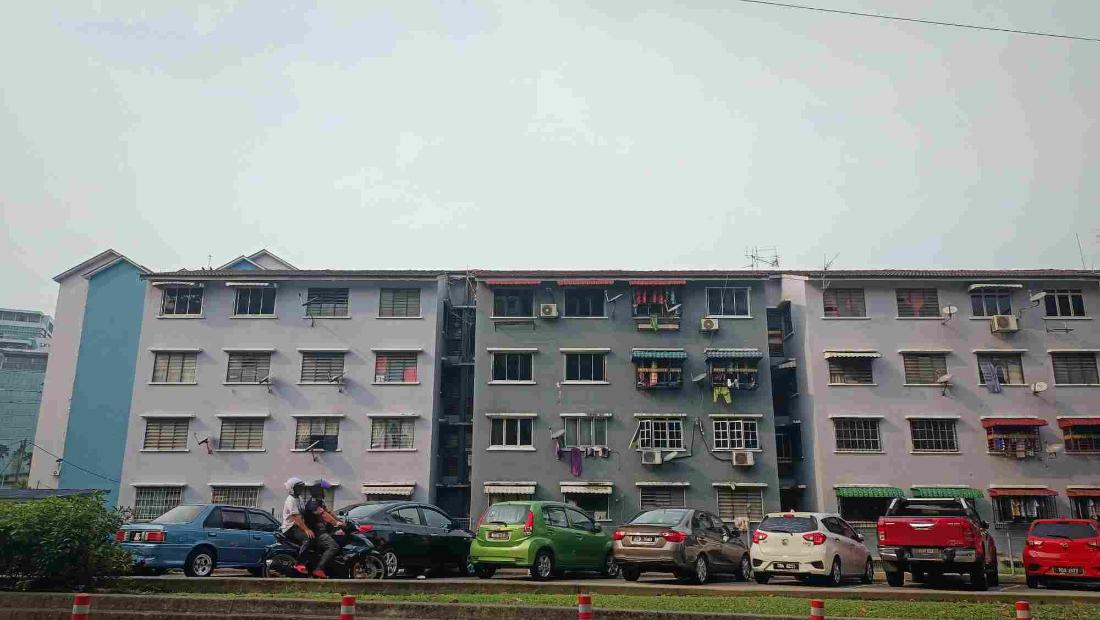
Even the most weather-resistant exterior building materials in Malaysia need a maintenance routine to reach their full lifespan. The climate simply does not allow for a set-and-forget approach.
Cleaning exterior surfaces at least once or twice a year removes biological growth before it can penetrate or stain the material. A mild biocidal wash followed by a pressure rinse is effective for most surfaces. Inspect sealants and caulking joints annually, particularly around windows, doors, and roof flashings, as these are the first points where UV and thermal movement cause breakdown. Repainting or recoating surfaces before they reach the point of peeling — rather than waiting until the substrate is exposed — extends the life of the underlying material considerably.
For timber elements, re-oiling or re-staining every one to two years is a sensible rule of thumb in Malaysia’s climate. Metal fixings, particularly screws and brackets, should be checked for corrosion during each inspection and replaced before they fail. These small, consistent efforts are far less costly than the full material replacement that follows years of neglect in a climate as demanding as Malaysia’s.